Transform Your External Area: Professional Landscaping Solutions
Transforming outdoor spaces is a intricate endeavor. Many encounter challenges such as poor soil, insufficient light, or unclear vision for their landscape. Expert landscaping professionals provide customized approaches that tackle these issues. They contribute a rich understanding about local plants and eco-friendly methods. Their skill can make a significant difference. What are the key benefits of employing expert designers, and how can they elevate your landscape enjoyment? The responses may surprise you.
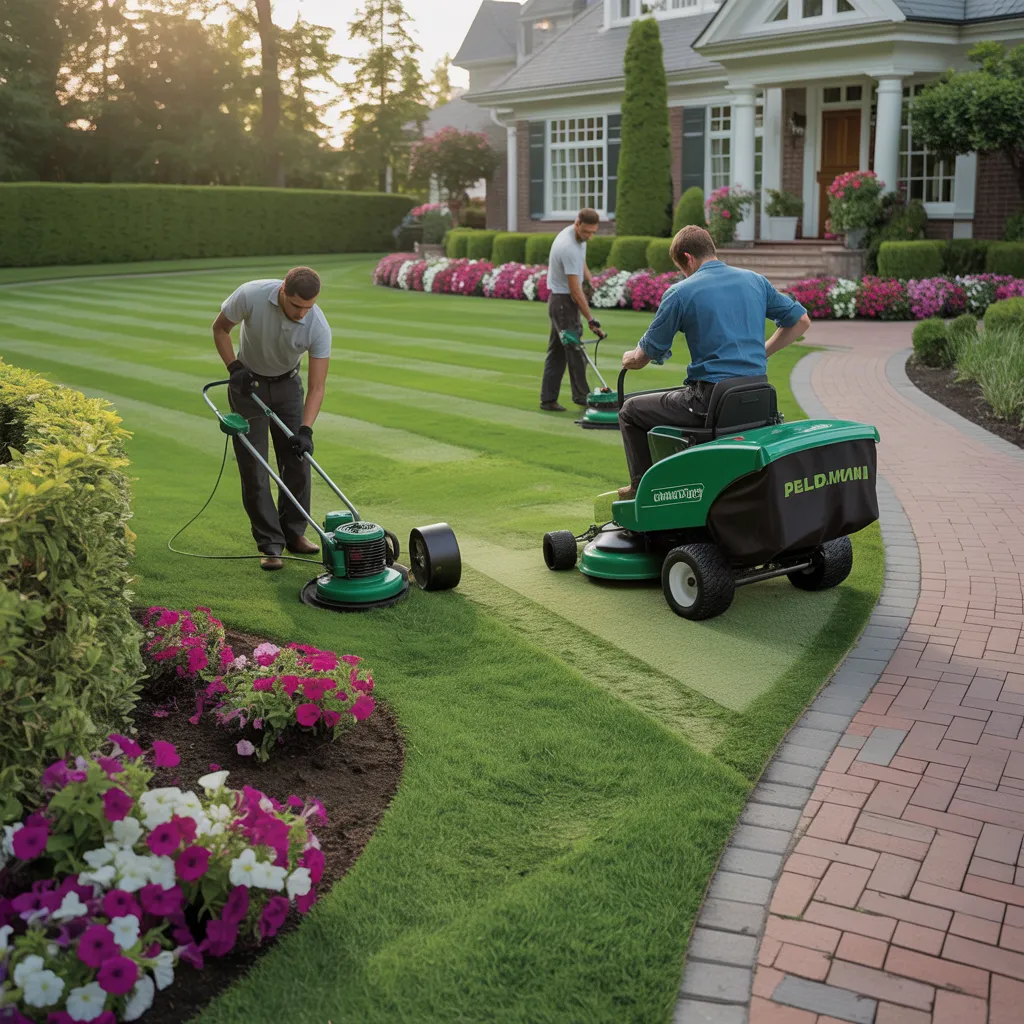
Common Landscape Design Challenges
When initiating yard planning, many face obstacles that can complicate the undertaking. One common issue is insufficient planning, which can result in misaligned goals and implementation. Property owners often struggle to juggle visual appeal with functionality, producing areas that may appear attractive but fail to serve their desired function. Additionally, grasping the regional climate and soil conditions can present difficulties; unsuitable plant choices may cause poor growth or maintenance issues.
Budgetary constraints also constitute a substantial obstacle, as many miscalculate the costs associated with materials and labor. Time management becomes essential, with postponements in project schedules often resulting from unforeseen complications. Finally, navigating zoning regulations and laws can introduce another level of intricacy, often necessitating permits or compliance with specific guidelines. These barriers can discourage people, underscoring the importance of a well-structured strategy to design planning.
Why Choose Expert Landscape Designers?
Navigating the complexities of outdoor design can often overwhelm even the most passionate homeowners. Various elements, such as plant selection, topography, and watering infrastructure, must be balanced to establish a unified outdoor space. Expert design professionals possess the training and experience required to handle these intricacies effectively. They recognize the local climate, soil conditions, and native vegetation, guaranteeing the designs are both sustainable and aesthetically pleasing.
In addition, consultants contribute a rich collection of creative ideas and innovative solutions that satisfy individual preferences and lifestyle needs. They can picture the potential of a space, transforming commonplace landscapes into stunning landscapes. Partnering with construction teams and adherence to municipal standards are important elements where their expertise proves invaluable. At the end of the day, contracting an accomplished landscaping expert relieves the burden of trial and error, facilitating dwellers to benefit from a beautifully curated garden space tailored to their distinct perspective.
Leading Perks of Employing Professional Landscape Designers
Employing professional landscape designers provides many benefits that can improve any exterior landscape. First, their knowledge guarantees that design ideas are not only aesthetically pleasing but also functional, considering factors like drainage, sunlight, and plant compatibility. This understanding helps prevent expensive errors that can stem from DIY efforts.
Moreover, design specialists grant access to tools and personnel, such as quality materials and trained workers, which can elevate the overall quality of the project. They can similarly supply custom-fit designs that manifest individual preferences while upholding local regulations and environmental considerations.
Additionally, the collaborative effort with a landscape professional allows homeowners to express their vision successfully, creating a cohesive and harmonious landscape. This collaboration often produces innovative ideas that homeowners might not have thought about, maximizing the potential of the outdoor area. Ultimately, engaging a professional landscape designer transforms an standard area into an beautifully curated environment.
Creative Thoughts for Your Outdoor Space
Turning an outdoor space into a vibrant retreat can be achieved through a variety of creative ideas that cater to personal tastes and working needs. Incorporating assorted plant species can introduce texture and color, while tiered gardens enhance space and create a remarkable visual impact. Outdoor seating areas can be enhanced with comfortable furniture, perfect for leisure or entertaining guests.
Water features, such as fountains or small ponds, deliver serene audio and entice wildlife, amplifying the overall atmosphere. insightful guide Deploying outdoor lighting strategically can illuminate key elements and expand usability into the evening.
Designing walkways made with natural stone or recycled materials can lead visitors across the landscape, creating a welcoming atmosphere. Furthermore, practical elements like raised garden beds or outdoor kitchens can enhance both aesthetics and practicality, ensuring the area is not only attractive but also versatile for different activities.
Advice for Sustaining Your Landscape Design
Effective maintenance is essential for preserving the beauty and functionality of any landscape design. Consistently assessing plants for health is imperative; damaged or unhealthy foliage should be promptly removed to prevent further propagation. In addition, correct irrigation techniques, tailored to the requirements of particular vegetation, can significantly improve development and vigor.
Mulching suppresses weeds while preserving soil moisture, making it a valuable practice. Seasonal pruning encourages healthy growth and preserves desired shapes. Moreover, periodic fertilization provides important nutrients, guaranteeing that plants flourish throughout the year.
Landscape aspects such as pathways and decks should be examined for damage. Consistent cleaning and maintenance can prevent wear and enhance visual beauty. Finally, watching for pests and implementing proper treatments can protect the landscape's durability. By implementing these tips, homeowners can ensure their outdoor areas continue to be inviting and well-kept for years to come.

Regularly Asked Topics
How long Does a Typical Landscape Design Project Take?
A common landscaping endeavor ordinarily requires from two to eight weeks, reliant upon the intricacy of the design, site conditions, and the accessibility of materials and workers, delivering a meticulous planning and execution strategy.
What Does Professional Landscape Design Services Expense on Average?
Professional landscape design services generally runs between $2,000 to $7,000 on average, contingent upon the magnitude, difficulty, and where the project is located. The total expense can be greatly influenced by considerations like labor expenses and material costs.
Do Landscape Designers Hold Certifications or Industry Qualifications?
Landscape designers are not universally required to be licensed or certified; however, many elect to seek certifications or degrees in landscape architecture, which can boost their professional standing and knowledge in the field.
May I add established Plants Into the New Design?
Yes, existing plants can be integrated into a fresh layout. Professional landscapers often assess existing plants to improve visual appeal and practical use, guaranteeing that mature vegetation complement the overall vision of the outdoor space.
What Features Ought to I Review in a Landscape Design Portfolio?
When evaluating a landscape design portfolio, you should identify innovation, stylistic diversity, properly incorporated vegetation, thorough consideration of specifics, organized project documentation, and previous client reviews to determine overall satisfaction and effectiveness.